How to choose a strain by its terpenes
Skip the indica and sativa labels. Start with what you like to smell, find its terpene family on the lab report, and keep a card. A method in five steps.
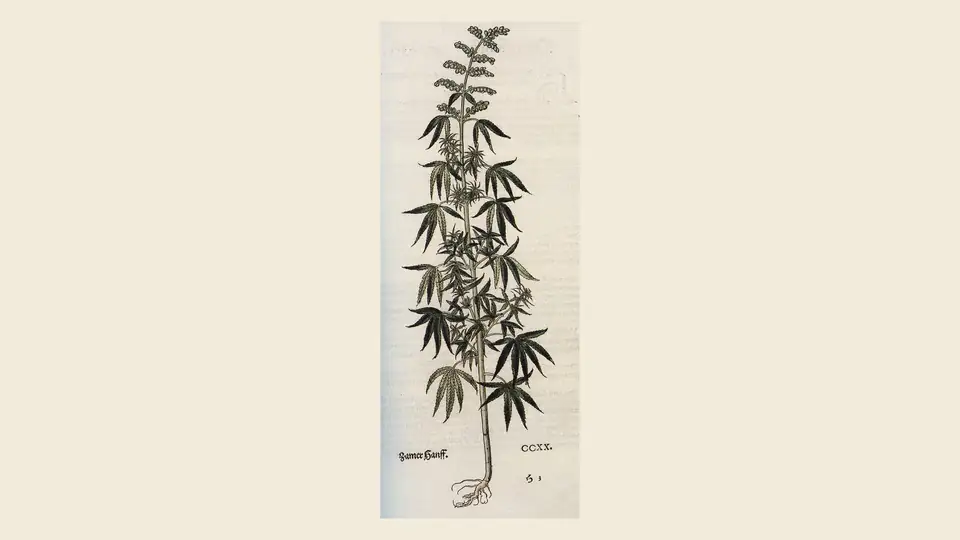
To choose a strain by terpene, start from the aromas you already like, match them to one of three terpene families, and confirm the lead terpene on each lot’s lab report before you buy. It works better than the indica and sativa labels, which a 2022 study of 89,923 US lab samples found do not track terpene profiles consistently. Current as of October 3, 2026.
This is a method, not a list of answers. It takes a few weeks of attention and a pencil. If you have not read it yet, our guide to terpenes in THCA flower explains the chemistry behind each step.
Step 1. Start with your nose
Before you look at a single number, write down the smells you are drawn to. Not in cannabis words, in kitchen and garden words: lemon peel, black pepper, ripe mango, pine needles, licorice, lavender, wet soil, grape candy, petrol. If you have liked a strain before, write what it smelled like, not what it was called.
Most people find they cluster. Some are pepper-and-citrus people, some are fruit-and-earth people, and a smaller number are pine-and-herb people. That cluster is your starting family.
Step 2. Find your family
US flower falls mostly into three terpene families, according to the analysis by Smith and colleagues (PLOS ONE, 2022). Here they are with the classics we have profiled, as those strains typically read.
| If you like | Family | Lead terpenes to look for | Classic examples |
|---|---|---|---|
| Pepper, lemon peel, fuel, baking spice | Caryophyllene-limonene | Beta-caryophyllene, limonene | Sour Diesel, many OG Kush cuts |
| Ripe fruit, berries, musk, damp earth, pine underneath | Myrcene-pinene | Myrcene, then pinene | Blue Dream, Northern Lights, Granddaddy Purple, White Widow |
| Pine, anise, fresh herbs, sharp citrus | Terpinolene-myrcene | Terpinolene, then myrcene or ocimene | Jack Herer, Durban Poison |
Two cautions. First, the families are tendencies, not boxes; plenty of lots sit between two. Second, a strain name is a weak guarantee. The same study found some names held together well (88.5% of Blue Dream products sat in the myrcene-pinene family) and others scattered. So the name gets you to a likely family, and the lab report confirms it.
Step 3. Read the terpene panel before you buy
For any lot you are considering, ask for the certificate of analysis (COA) and go straight to the terpene section. If there isn’t one, you are choosing blind, and that is worth knowing before you commit to a half pound or a pound.
What to check, in order:
- The lead terpene. Is it the one your family calls for? If you are a pine-and-herb person and the lot leads with myrcene at three times its terpinolene, it will smell different from what you expect, whatever the name says.
- The ratio of the top two. Myrcene at 6 mg/g with pinene at 2 mg/g reads very differently from myrcene at 3 mg/g with caryophyllene at 3 mg/g, even though both are “myrcene-led”.
- Total terpenes. As a rough guide, under 0.5% (5 mg/g) is faint, around 1% (10 mg/g) is ordinary, 2% (20 mg/g) is strong, and 3% (30 mg/g) and up is unusual. Totals depend on how many compounds the lab tests, so compare within one lab where you can.
- The test date. Terpenes fall after testing. A report several months old describes a lot that has since lost some of its top notes.
- The THC line, done properly. It does not tell you aroma, but you should know it. Total THC is THCA × 0.877 plus delta-9 THC.
Step 4. Keep a tasting card
Memory is a poor instrument for smell. Keep one card per lot, filled in at the same time of day, at a similar amount each time. A plain format works:
| Field | Example entry |
|---|---|
| Strain, lot or Batch, grade | Durban Poison, lot on the COA, greenhouse |
| Lab lead terpenes (mg/g) and total | Terpinolene 5.1, myrcene 1.6, ocimene 1.2; total 1.4% |
| Nose in the jar | Anise first, then sweet herbs, pine when broken |
| Taste on the exhale | Licorice, clean, a little pepper |
| How it felt, in your own words | Clear, talkative, light in the body |
| Would you buy it again? | Yes, for afternoons |
The example is illustrative, not a reading of any particular lot. After five or six cards, read them together. Most people find the “buy again” lots share a family or even a lead terpene. That is your profile, and it is more useful than any strain list, ours included.
Step 5. Compare fairly
When you want to test a new family, compare two lots side by side rather than weeks apart. Smell both jars, then try one on one day and the other on the next, at the same time and amount, and fill in the card for each. Change one thing at a time. If you compare a fresh greenhouse lot with an old indoor one, you are comparing age and grade, not terpenes.
What terpenes can and cannot tell you
Terpenes reliably predict aroma and flavor, and they are the best tool you have for telling apart two lots that share a name. They are also a fair way to repeat what has worked for you: if your best cards all lead with terpinolene, the next terpinolene lot is a sensible bet.
They do not reliably predict effects. Many people link myrcene with heavier, slower feelings and terpinolene or limonene with brighter ones, and you will see those links in public strain reviews. Controlled human evidence is thin, and dose, tolerance, setting and expectation all play a part. Treat those associations as a hypothesis your own cards can confirm or reject. Nothing here is medical advice, and none of it has been evaluated by the FDA.
Why not just use indica and sativa?
Because they mostly describe plant shape and marketing history, not what is in the jar. Smith and colleagues found the labels did not line up consistently with chemical profiles across 89,923 samples. Watts and colleagues (Nature Plants, 2021) found sativa- and indica-labeled samples “genetically indistinct on a genome-wide scale”. The labels are not useless (they are loosely associated with a few terpenes), but a terpene panel answers the question you actually have.
Choosing after December 11
OCTOBER 3, 2026 — This method will still work after the federal hemp definition changes. From December 11, 2026, under P.L. 119-37 as rescheduled by H.R. 6500 (signed September 2, 2026), hemp is limited to 0.3% total THC by dry weight with THCA counted (CRS In Focus IF13136), replacing the delta-9-only test in 7 U.S.C. §1639o. High-THCA flower then leaves the hemp-retail lane federally unless Congress acts again. In adult-use states, licensed dispensaries continue to sell high-THC flower under state law, and many of them publish terpene panels. Hemp flower within the new limit still carries terpenes. Wherever you buy, the panel and your cards still apply. THCA flower is not legal in every state today, and state rules differ.
Filed by the desk. Not legal advice.
Sources
- Smith, Vergara, Keegan and Jikomes, “The phytochemical diversity of commercial Cannabis in the United States,” PLOS ONE, 2022. doi.org/10.1371/journal.pone.0267498
- Watts and others, “Cannabis labeling is associated with genetic variation in terpene synthase genes,” Nature Plants, 2021. doi.org/10.1038/s41477-021-01003-y
- Congressional Research Service, In Focus IF13136, August 17, 2026. everycrsreport.com
- H.R. 6500, 119th Congress. congress.gov
- 7 U.S.C. §1639o. govinfo.gov
How we wrote this: family groupings from the cited study; strain placements from our profiles, which are based on how those strains typically read on published lab menus; the tasting card is the desk’s own working format. Last reviewed October 3, 2026.
The federal hemp rule · December 11, 2026On December 11, 2026 the federal definition of hemp starts counting THCA toward the 0.3% total-THC limit, and flower like most of this shelf will no longer qualify. Until then it is sold as hemp, and this note will be rewritten the day the rule takes effect.Filed by the desk.
Questions
How do I choose a strain by terpene?
Notice which aromas you like, match them to one of three terpene families (caryophyllene-limonene, myrcene-pinene or terpinolene-myrcene), then check the lead terpene and total terpenes on each lot's lab report. Keep notes, and compare lots side by side.
Is terpene profile better than indica or sativa?
For predicting what a jar will smell and taste like, yes. A 2022 study of 89,923 US lab samples found indica, sativa and hybrid labels did not line up consistently with terpene profiles.
Which terpene should I look for?
Whichever leads in the strains you already like. Peppery and citrus lovers tend toward caryophyllene and limonene, fruit and earth toward myrcene, and pine, anise or herbal toward terpinolene. Your own notes are the best guide.
Can a terpene tell me how a strain will make me feel?
Not reliably. Many people link terpenes to particular feelings, but controlled human evidence is limited. Use terpenes to choose aroma and to repeat what has worked for you, and treat effect claims as anecdote.
How we wrote this. Set down by THCA Life editorial desk for THCA Life. Every change is dated above. Corrections are welcome at hello@thcalife.com.